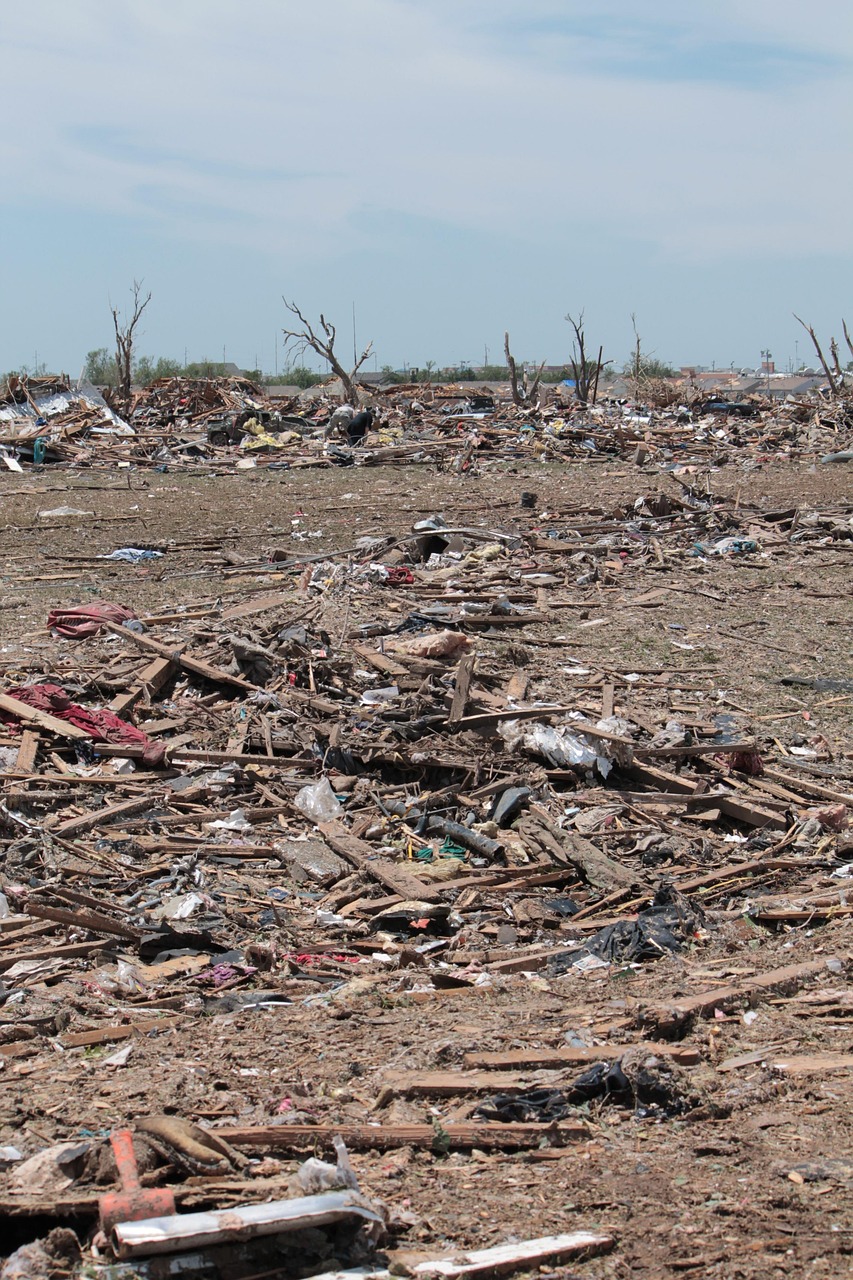
In the aftermath of severe storms, the need for swift and reliable storm damage tree removal becomes paramount. As wind and water wreak havoc, trees can fall, power lines snap, and debris piles up, posing significant safety risks and impacting communities. The rapid response from professional emergency tree services is crucial for mitigating these dangers and restoring order.
The challenge lies in coordinating efficient tree removal while ensuring the safety of both residents and arborists. This article explores the vital role of specialized tree services in the immediate wake of storms, offering a practical guide to rapid response, legal considerations, and long-term recovery strategies for communities facing storm-damaged trees. We examine the best practices for safe tree removal, cost management, and environmental considerations, empowering readers to navigate the complexities of storm damage tree removal.
- Assessing Post-Storm Tree Damage
- Safe Tree Removal Techniques
- Clearing Storm-Damaged Foliage
- Insurance and Tree Removal Costs
- Preventing Future Storm Damage
- Professional Storm Cleanup Assistance
Assessing Post-Storm Tree Damage
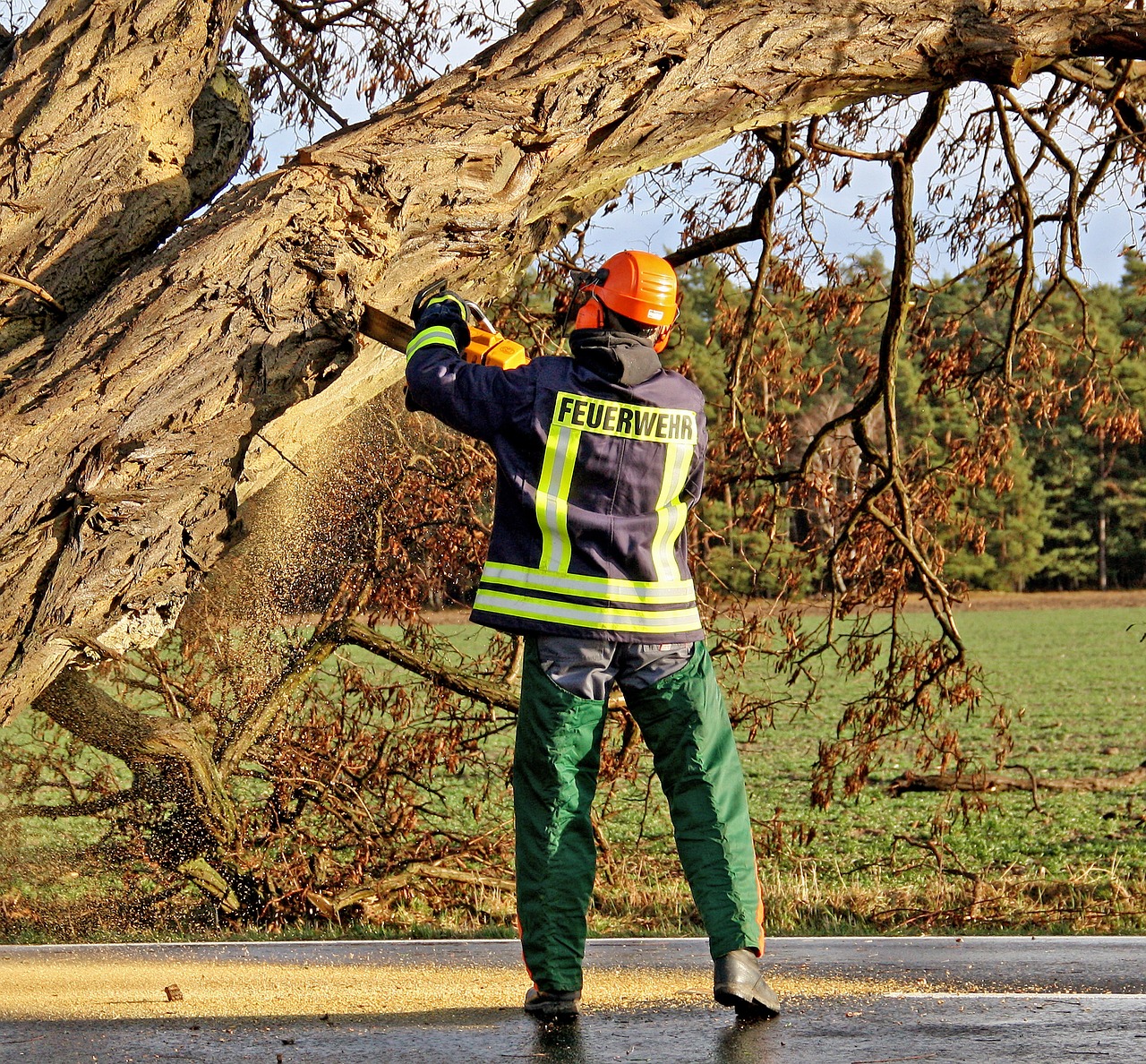
Post-storm tree assessment is a critical step in storm damage tree removal, requiring a thorough understanding of tree health and structural integrity. This process involves a meticulous examination of each tree to determine the extent of the damage, with the goal of ensuring both public safety and minimizing environmental impact. Professional tree services for severe weather play a pivotal role here, as they employ certified arborists who can accurately assess the stability of trees and structures, identifying potential hazards such as loose branches, split trunks, or roots exposed by the storm.
Arborists use specialized knowledge and tools to evaluate trees, considering factors like species, age, and the specific nature of the storm event. A tree that withstood a hurricane might exhibit different damage than one affected by heavy ice, requiring tailored approaches to storm damage tree removal. They may employ tree risk assessment protocols, leveraging software designed to streamline the process and provide a comprehensive view of the property's arboricultural needs. This detailed assessment is crucial for informed decision-making, as it guides the subsequent steps in storm cleanup and tree removal.
In the aftermath of a severe weather event, homeowners often turn to local tree service professionals for guidance and assistance. These experts can offer not only storm damage tree removal services but also valuable insights into the long-term care and maintenance of the remaining trees. By understanding the unique challenges posed by each storm, they can help property owners prepare for future events, potentially preventing future tree storm damage. They might recommend specific tree species suited to the local climate, provide tips on pruning for weather safety, or offer advice on insuring tree removal to mitigate risks and costs. When faced with a tree that has been knocked over or severely damaged, giving us a call at tree damage repair estimates can be the first step towards restoring the landscape and ensuring safety.
Safe Tree Removal Techniques

Safe Tree Removal in the Aftermath of Severe Storms
When a storm hits, safe tree removal is a critical step in post-storm recovery. Storm damage tree removal requires specialized knowledge and equipment to ensure the safety of both property and personnel. The first step is thorough assessment. Certified arborists with experience in storm damage assessments should be engaged to identify trees that are at risk of falling or dropping branches, which can cause additional harm during the recovery process.
Heavy wind tree removal assistance is crucial for removing trees that have been toppled or are hanging precariously. In these situations, it's essential to avoid attempting removal yourself. Hiring tree removal companies during storms that have the right equipment and training is paramount. Specialized cranes and chippers can safely dismantle damaged trees and minimize the risk of further property damage. Remember, tree removal after power lines down is a particularly hazardous task, requiring expert handling to prevent electrocution and other dangers.
When dealing with ice storms and subsequent cleanup and removal, consider the unique challenges they pose. Ice can build up on branches, making them brittle and prone to sudden breakage. This increases the risk during removal. Professional tree services for severe weather, including those specializing in cleanup and removal after ice storm events, are equipped to handle these delicate situations. They employ techniques like pruning and cutting branches in a controlled manner to prevent further damage.
For homeowners, understanding the process and the importance of safety is key. Documenting the damage with photos and video, and communicating clearly with your insurance provider about your needs are important steps. When choosing a tree service, look for companies that are licensed and insured, and who have a proven track record of safe storm damage tree removal.
Clearing Storm-Damaged Foliage

Clearing storm-damaged foliage is a critical step in storm damage tree removal, ensuring safety, property protection, and a faster recovery. Severe storms, including hurricanes and ice storms, leave behind a landscape of broken limbs, uprooted trees, and fallen debris. This debris not only obstructs visibility and access but can also pose significant risks, such as fire hazards and further structural damage.
Professional tree services for severe weather, like ours, prioritize safe tree removal techniques post-storm. We understand the urgency and the unique challenges each storm brings. After a hurricane, tree branch removal becomes a top priority to prevent future storm damage and ensure the safety of your property. Our team assesses tree health after weather events, providing estimates for tree damage from wind storms. We employ certified arborists who are trained in weather-safe tree pruning practices to avoid further harm while removing branches broken by storms.
In the aftermath of a storm, our team works swiftly to clear storm-damaged foliage quickly, minimizing disruption and promoting recovery. We offer 24/7 tree service hotlines, ensuring you have access to immediate assistance when you need it most. Our goal is to help you restore your landscape after storm damage and prevent future incidents. We find that a well-planned and executed storm debris removal from yards contributes to a community's resilience against future severe weather events. By removing fallen trees and branches, we not only enhance safety but also create a safer, more resilient environment for your property and neighborhood.
Insurance and Tree Removal Costs

Insurance and Understanding Costs After Storm Damage
Storm damage tree removal is a significant process that often follows severe weather events. It's crucial to understand the financial aspects, especially regarding insurance coverage and associated costs. Many homeowners wonder, "How much will it cost to clear storm damaged foliage quickly?" and "What's involved in the tree removal process after a storm?" These are valid concerns, as navigating post-storm tree services can be complex.
Insurance plays a pivotal role in covering the expenses related to storm damaged trees service. Homeowners' insurance policies typically include coverage for tree removal after storms, but the extent of coverage varies. It's essential to review your policy with your insurance provider. They can clarify what is covered, including tree branch removal after hurricane, and any deductibles or limitations. Policies may cover the removal of fallen trees blocking structures but require separate coverage for tree branch cleanup and disposal. Understanding these nuances is vital to ensure adequate financial protection.
Tree removal companies during storms often provide estimates for storm damage repairs, including tree cutting due to ice storm conditions. These estimates consider the scope of work, the number of trees affected, and the complexity of removal. While estimates can offer a starting point, actual costs may vary. Factors influencing prices include accessibility to the damaged area, the need for specialized equipment, and the proximity of power lines. As a rule of thumb, most installations take one to two days, but complex situations may extend this timeline. It's advisable to obtain multiple quotes from reputable tree services to ensure you're getting a fair price.
For storm cleanup, efficient removal is not just about safety but also about minimizing costs. Clearing storm damaged foliage quickly reduces the risk of further damage and potential safety hazards. Professional tree services understand the urgency and can provide rapid response. They employ certified arborists who assess tree health after weather events and prioritize removal to prevent future storm damage. Remember, finding a local tree removal company experienced in storm situations is key to ensuring your property is safely restored after severe weather.
Preventing Future Storm Damage
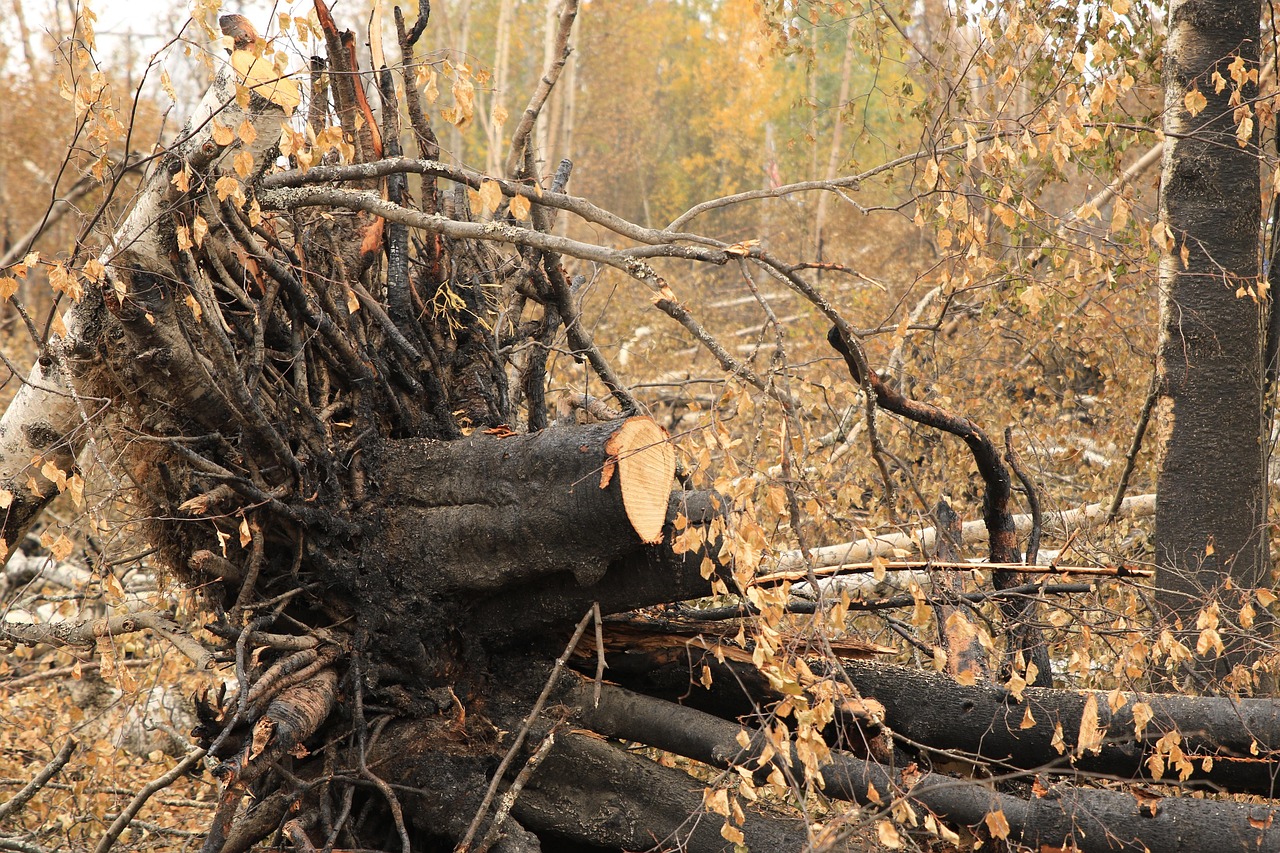
Severe storms can wreak havoc on your property, with fallen trees being one of the most significant risks. While emergency tree removal services are crucial for clearing debris and restoring safety after a storm, proactive measures can significantly reduce the likelihood and impact of future storm damage. Understanding how to identify vulnerable trees and implement appropriate care can save you time, money, and potential heartache.
Regularly assessing your property for trees at risk of storm damage is essential. Look for trees with weak structures, such as those with split trunks, crossing branches, or a history of lightning strikes. Consulting with a Certified Arborist Association member can provide valuable insights into the health and stability of your trees. They can recommend specific pruning techniques and treatments to strengthen trees and make them more resistant to high winds. Removing dead or diseased branches and thinning dense foliage can reduce a tree's surface area, making it less susceptible to wind damage.
While repairing storm knocked-over trees is a necessary step after a severe storm, minimizing damage in the first place is far more effective. Tree removal for safety reasons should always be considered a last resort. If a tree poses an immediate threat to structures or people, give us a call at tree removal after power lines down. However, many times, a simple pruning or structural stabilization can resolve the issue without resorting to complete removal. Working with a local arborist who understands your region's specific weather patterns and tree species can help you create a long-term storm damage prevention strategy.
Professional Storm Cleanup Assistance

When severe storms hit, the damage to trees can be extensive, making professional storm cleanup assistance crucial. Local tree services specializing in severe weather play a vital role in ensuring the safety of both property and people after a storm. These services not only remove damaged or fallen trees but also assess tree health and implement safe tree removal techniques to prevent further hazards.
Estimating tree damage from wind storms is a critical first step. Professionals use their expertise to inspect trees, identifying broken branches, uprooted trees, and other signs of stress. This thorough evaluation is essential for determining the best course of action, whether it's pruning, repairing, or removing the affected trees. A local tree service might assess that a tree, though damaged, can be safely pruned rather than removed, saving the homeowner both time and money.
Safe tree removal techniques are paramount post-storm. Professionals employ specialized equipment and proven methods to minimize risks. This includes using the appropriate climbing equipment, ropes, and harnesses for complex removals. A tree that's partially blocked by power lines requires careful, step-by-step removal to prevent electrical hazards. By prioritizing safety, these experts protect both the public and themselves from potential dangers.
When assessing tree health after a weather event, consider reaching out to certified arborists or local tree service providers. They can provide expert advice tailored to your area and specific tree concerns. Understanding the local tree species and their resilience to storms can help in deciding whether a tree should be saved or removed. A reputable service will offer a detailed assessment and a clear, transparent estimate for storm damage tree removal, ensuring you're well-informed about the process and its costs.
Frequently Asked Questions About Emergency Tree Services Rapid Response for Severe Storms
What happens during a severe storm that requires emergency tree services? During severe storms, high winds, lightning, and heavy rainfall can cause significant tree damage, including uprooting, branching, and falling. These hazards pose risks to property, power lines, and public safety, necessitating immediate attention from emergency tree services. Our team assesses the situation swiftly, utilizing advanced equipment and safety protocols to mitigate damage and restore safety.
How do I know if I need emergency tree services? If your property has sustained tree damage during a severe storm, it's crucial to inspect the trees for signs of distress. Look for branches that are broken, cracked, or hanging low, as well as any signs of leaning or uprooting. If trees are near power lines, their instability can pose a serious safety hazard, requiring immediate professional attention.
How quickly can your team respond to an emergency call? We prioritize emergency calls based on the level of risk. In most cases, our team can arrive at the scene within 60 minutes of receiving your call, ensuring prompt mitigation of tree-related dangers. Our 24/7 emergency hotline ensures that we're always available when you need us most.
What equipment and safety measures do you employ during emergency responses? Our emergency tree services utilize state-of-the-art equipment tailored for hazardous situations, including chain saws, aerial lifters, and specialized climbing gear. We adhere to strict safety protocols, including hard hats, safety harnesses, and regular safety briefings, to protect both our team and your property during every operation.
How do you handle fallen trees blocking access or power lines? In cases where trees have fallen and blocked access or power lines, our team employs specialized equipment to safely remove the debris. We coordinate with local utility companies to ensure the safe restoration of power and clear access for emergency vehicles.
What is the cost for emergency tree services? Our pricing for emergency tree services is determined on a case-by-case basis, considering the extent of the damage and the required labor and equipment. We provide transparent, detailed estimates before beginning any work, ensuring you understand the cost involved in restoring your property's safety.
How can I prepare for future severe storms to minimize tree damage? Regular tree maintenance, including pruning and watering, can significantly strengthen trees against severe weather. Consider planting storm-resistant tree species and ensuring proper spacing between trees to prevent entanglement and damage during high winds.
In the aftermath of severe storms, efficient storm damage tree removal is crucial for safety, insurance claims, and community recovery. This article has explored a practical guide to navigating post-storm tree damage, from assessing safety and insurance implications to employing best practices for tree removal and clearing. Understanding the legal and environmental considerations, as well as the potential for future storm damage prevention, equips property owners and professionals to make informed decisions. By prioritizing safe removal techniques, efficient clearance, and proactive storm preparedness, individuals and communities can mitigate costs, reduce environmental impact, and foster resilience against future storms. This practical knowledge empowers everyone to better respond to and recover from severe weather events, ensuring safer, healthier, and more sustainable environments.
Summary: Storm Damage Tree Removal and Prevention
Post-storm, thorough tree assessments by certified arborists are crucial for public safety and minimizing environmental impact. These experts identify structural issues and potential hazards, guiding storm cleanup and tree removal. Homeowners should engage local tree services for estimates, storm damage repairs, and long-term tree care advice.
Key practices for proactive storm damage prevention include regular tree assessments, targeted pruning, and implementing treatments to strengthen trees. Working with arborists to create region-specific storm strategies can save time, money, and reduce future damage.
Professional storm cleanup services specialize in safe tree removal, using specialized equipment and techniques to minimize risks, especially near power lines. Transparent estimates and expert advice from certified arborists or local tree service providers are essential for informed decision-making after a storm.