
In storm-prone areas, proactive tree management is not just an option-it's a necessity for communities to safeguard against the devastating impacts of severe weather. Storm damage tree removal, while crucial, is only one aspect of a comprehensive strategy that begins long before a storm strikes. The problem lies in the vulnerability of poorly managed trees, which can fall or drop branches, causing significant property damage, power outages, and even loss of life. The solution involves proactive assessments, regular maintenance, and informed removal, all aimed at strengthening trees' resilience against storms. By adopting these strategies, communities can mitigate risks, enhance urban forests, and ensure safer, more sustainable environments for all.
- Understanding Storm-Prone Areas: Risk Assessment
- Proactive Tree Management: A Comprehensive Approach
- Storm Damage Prevention: Care and Maintenance
- Efficient Storm Debris Removal: Best Practices
- Safe Tree Removal After Storms: Expert Techniques
- Restoring Your Landscape: Post-Storm Recovery Steps
Understanding Storm-Prone Areas: Risk Assessment

Understanding storm-prone areas is crucial for proactive tree management and minimizing the impact of severe weather events. Risk assessment plays a pivotal role in this process, allowing arborists and property owners to anticipate and prepare for potential storm damage. By thoroughly evaluating a location's vulnerability to storms, professionals can implement strategies to prevent future tree storm damage and ensure safer, more resilient landscapes.
In many regions, heavy wind events, hurricanes, and ice storms pose significant threats to trees and infrastructure. Therefore, a comprehensive risk assessment should consider factors such as tree species, age, size, and the frequency and intensity of past storms. This analysis enables arborists to prioritize trees that may require additional care or structural pruning to enhance their resistance to severe winds.
Safe tree removal techniques post-storm are essential, especially in densely populated areas. Proper assessment helps in determining when a tree poses a risk to people, property, or critical infrastructure, necessitating its removal. A local arborist consultant in a storm-prone region might advise homeowners on when to seek heavy wind tree removal assistance, ensuring that fallen or damaged trees are safely cleared from yards and public spaces. Understanding the local environment and its potential impacts on trees is key to long-term planning. This includes considering the region's climate, soil conditions, and potential future weather patterns to guide decisions on species selection and tree placement, thereby reducing the likelihood of storm-related damage. Give us a call at insuring tree removal after disaster for expert guidance tailored to your specific situation.
Proactive Tree Management: A Comprehensive Approach
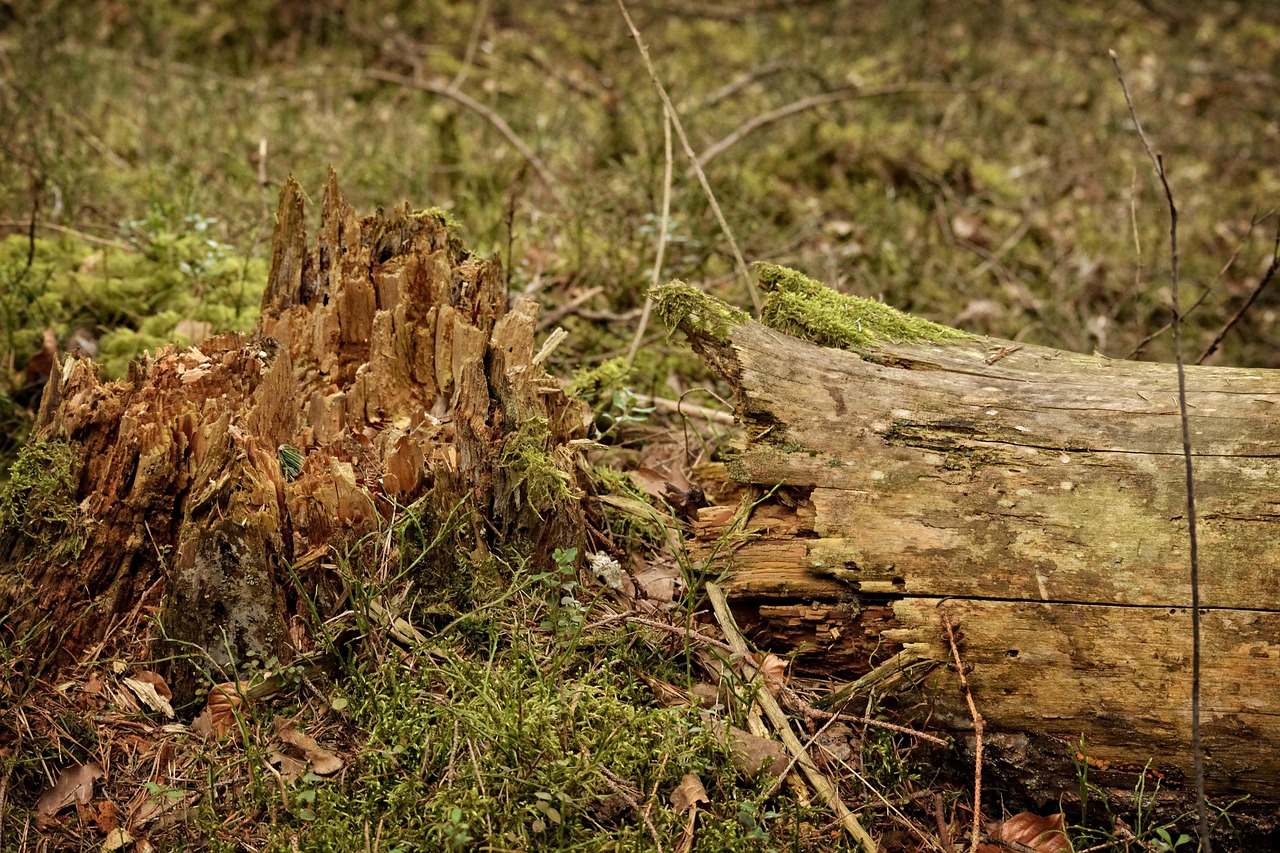
In storm-prone areas, proactive tree management is not just an option, it's a necessity. Trees are a vital part of our landscapes and communities, providing ecological, economic, and aesthetic benefits. However, they can also be vulnerable to severe weather events, such as hurricanes, ice storms, and heavy winds, leading to storm damage tree removal. A comprehensive approach to tree management before, during, and after these events can significantly mitigate risks and enhance recovery.
Assessing tree health before a storm is crucial. Regular inspections by certified arborists can identify weak or diseased trees that may be at higher risk of falling or dropping branches. This proactive assessment allows property owners and local authorities to take measures such as pruning or removal, ensuring the safety of both people and property. After a storm, assessing tree health becomes even more critical. The USDA Forest Service recommends evaluating trees for structural integrity, looking for broken branches, leaning trees, or any signs of damage that might compromise their stability. Repairing storm knocked over trees should be done promptly to prevent further damage and safety hazards.
How much does tree cleanup cost post-storm can vary greatly depending on the severity of the damage. Simple branch removal and cleanup may be relatively affordable, while extensive storm damage tree removal, especially involving large trees near power lines or structures, can be quite costly. Insurance brokers and homeowners' insurance policies play a significant role in covering these expenses. Many policies include coverage for tree removal and cleanup after severe weather events, but it's essential to understand the terms and conditions. Some policies may require immediate removal to prevent further damage, while others may cover cleanup and removal at a later date. Engaging with local tree service professionals who specialize in storm damage tree removal can provide valuable insights and guidance throughout the process.
In the aftermath of a storm, a well-planned tree management strategy is vital for both individual property owners and local governments. This includes safe tree removal techniques post-storm to prevent further damage and ensure public safety. Local arborist consultants and tree risk assessors can play a crucial role in coordinating efforts, providing expert advice, and overseeing the removal of damaged trees. Community involvement in tree care and nurturing resilience is also essential. Urban forestry experts and local government planners can work with residents to plant new trees and promote best practices for tree care, helping to build a more resilient community in the face of severe weather events.
Storm Damage Prevention: Care and Maintenance

In storm-prone areas, proactive tree management is crucial to mitigate the devastating effects of severe weather. While some storm damage is inevitable, regular care and maintenance can significantly reduce the risk of severe tree damage. This proactive approach focuses on strengthening trees' natural defenses, making them more resilient to heavy winds, hurricanes, and ice storms. A well-maintained tree is better equipped to withstand the forces of nature, preventing the need for costly and disruptive tree removal after weather events.
Regular tree branch removal after hurricanes and other severe storms is a key component of storm damage prevention. Removing dead, diseased, or damaged branches not only enhances the tree's aesthetic appeal but also reduces the risk of future breakage. A certified arborist can assess a tree's health after a weather event, identifying branches that might pose a safety hazard if left intact. Proper pruning techniques, when conducted by professionals, can improve a tree's structural integrity, making it better able to withstand high winds. This is especially critical for trees near power lines, where the risk of falling branches causing power outages or safety hazards is heightened.
Beyond regular maintenance, ensuring trees are properly insured is a vital step in storm damage prevention. Homeowners' insurance policies typically cover the cost of tree removal after severe weather, but understanding the scope of coverage is essential. Many policies have specific deductibles and limitations, so reviewing and understanding your policy is crucial. Insurance brokers can provide guidance on appropriate coverage for your property, especially in areas prone to frequent storms. A comprehensive insurance plan might include provisions for tree removal and disposal after a hurricane or ice storm, ensuring that your property is protected not only from the storm but also from the aftermath.
Finally, consider the environmental impact of storm damage and the importance of long-term planning. Removing a tree after it's been knocked down by a storm isn't always the only option. In many cases, the tree can be repaired and nurtured back to health. Working with urban forestry experts and local government planners, you can develop a strategy that balances safety, aesthetics, and environmental sustainability. Using the experience of local arborist consultants, you can create a resilient landscape that thrives even after severe weather events, contributing to a more sustainable and adaptable community.
Efficient Storm Debris Removal: Best Practices

Efficient Storm Debris Removal: Best Practices for Proactive Tree Management
In storm-prone areas, effective storm debris removal is crucial for minimizing damage, ensuring public safety, and restoring landscapes. Following a severe weather event, the task of clearing storm-damaged foliage can seem overwhelming. However, with a well-planned and executed strategy, tree service professionals can efficiently manage storm debris, contributing to the overall resilience of communities. The process begins with a thorough assessment of tree health and damage from wind storms, which helps in prioritizing removal and cleanup efforts.
When removing branches broken by storms, it's essential to employ safe tree removal techniques post-storm. This includes using appropriate personal protective equipment (PPE) and operating equipment, such as chainsaws, safely and in accordance with manufacturer guidelines. When dealing with large branches, professionals should use a three-point cutting system to prevent kickback injuries. They should consider the potential for fallen debris and take precautions to avoid additional hazards. A key aspect of efficient storm debris removal is the timely clearing of power lines and access roads to prevent further disruptions and ensure safe tree removal for homeowners.
To estimate tree damage from wind storms, arborists can use specialized software or conduct manual inspections. These assessments help in making informed decisions regarding tree removal, pruning, or repair. A tree risk assessor might recommend pruning to strengthen a tree against future storms rather than immediate removal. After the initial assessment and cleanup, it's vital to communicate clearly with clients about the scope of work, costs, and potential insurance claims. Many tree service companies offer online cost calculators and 24/7 hotlines for client convenience and peace of mind. By following these best practices, tree service professionals can play a pivotal role in the recovery process, ensuring that storm-damaged landscapes are restored safely and effectively.
Safe Tree Removal After Storms: Expert Techniques

In the aftermath of a severe storm, the need for safe tree removal becomes critical to both property protection and public safety. Storm damage tree removal is not just about cutting down fallen trees; it's a delicate process that requires expert techniques to prevent further harm. Certified arborists, or tree care professionals, play a pivotal role in assessing and managing storm-damaged trees, ensuring both the integrity of structures and the safety of communities.
When a storm knocks down a tree, repairing it may not always be the best solution. In some cases, the tree may be so severely damaged that removal is the safest and most practical option. Hurricane tree cleanup and disposal often involves removing trees that pose a risk to power lines, homes, and other infrastructure. The process of storm debris removal from yards requires careful planning and execution to avoid further damage and ensure the safety of tree removal personnel. Expert arborists will assess the tree's condition, considering factors like root stability, trunk integrity, and the potential for falling debris. If the tree is beyond repair, they will employ safe tree removal techniques post-storm, cutting it back to the ground with precision to minimize damage to surrounding areas.
The challenge of removing trees near power lines post-storm necessitates a careful balance between speed and safety. Arborists must work swiftly to prevent further disruption to power supplies and minimize risks to themselves and the public. They use specialized equipment and follow strict protocols to ensure the process is as safe as possible. They might employ aerial lifts or bucket trucks to reach high branches while maintaining a safe distance from power lines. This is where the expertise of professionals becomes invaluable, as they can assess the situation and decide on the most appropriate removal method.
Beyond the immediate removal, the long-term goal is to restore the landscape and prevent future storm damage. Arborists can provide guidance on selecting suitable replacement trees and implementing weather-safe tree pruning practices. By addressing tree health after weather events, they contribute to the overall resilience of the community, ensuring that these natural disasters do not lead to persistent damage or safety hazards.
Restoring Your Landscape: Post-Storm Recovery Steps

After a storm, the first priority is often ensuring safety and clearing away immediate hazards. However, the long-term health of your property and the environment depends on thoughtful, proactive tree management. Storm damage tree removal is often necessary, but it's crucial to consider the bigger picture. Removing a tree solely because it's damaged might not be the best solution. A certified arborist can assess the situation and recommend options like structural pruning or stabilization, saving you both time and money while ensuring the tree's longevity.
The process begins with storm debris removal from yards, a critical step for preventing further damage and creating a safe environment. Many tree removal companies offer this service, but it's essential to choose a reputable, licensed professional. Once the immediate cleanup is complete, a thorough assessment of tree health is crucial. The USDA Forest Service recommends regular tree care, including inspecting for damage, to maintain their resilience against future storms.
Clearance of storm damaged foliage quickly is essential for both safety and aesthetics. A local tree service hotline or online cost calculator can provide valuable estimates, making it easier to plan and budget for necessary repairs. Remember, not all tree damage requires complete removal. Many times, skilled professionals can repair storm knocked over trees through pruning and bracing, saving valuable trees and the cost of replacement. A local arborist consultant might recommend removing branches broken by storms to promote the tree's long-term health and structural integrity, while preserving its overall beauty.
When considering tree removal for safety reasons, it's crucial to consult with local authorities and insurance brokers. Insurance Regulatory Bodies often have specific guidelines for documenting and processing claims related to storm damage, including tree removal. Homeowners' insurance policies may cover the cost of storm-related tree damage, but understanding your coverage is key. Legal document templates and claim processing software can streamline this process, ensuring you receive the compensation you deserve for damaged or removed trees. Finally, don't forget the environmental impact. When removing trees, consider recycling or repurposing materials through local recycling centers. Engaging with community garden initiatives can also help restore and enhance the landscape, fostering resilience against future storms.
Frequently Asked Questions About Storm-Prone Areas Proactive Tree Management Strategies
What are the key benefits of proactive tree management in storm-prone areas? Proactive tree management in storm-prone areas offers several significant benefits. It helps to mitigate the potential damage caused by severe weather events, enhancing the resilience of landscapes. Regular maintenance, including pruning and removal of weak or diseased trees, reduces the risk of property damage and personal injury. Well-managed trees can provide better air quality, support local ecosystems, and contribute to the overall aesthetics of the area, making them valuable assets even in challenging environments.
How can I identify trees that might be at risk during a storm? Recognizing trees that are most vulnerable during storms is crucial for proactive management. Look for trees with weakened structures, such as those with hollows, extensive branch cracks, or signs of pest infestation. Older trees, especially those with shallow root systems or near buildings, can be more susceptible. Consulting with an arborist can provide a detailed assessment, identifying trees that may require special attention or eventual removal for safety reasons.
What are the most effective strategies for storm preparation?
- Pruning: Regular pruning, especially during dry periods, can strengthen trees by removing dead, diseased, or weak branches. This reduces the potential for damage during storms.
- Watering: Adequate watering, particularly during droughts, keeps trees healthy and resilient. Well-hydrated trees are better equipped to withstand high winds and heavy rain.
- Cable Bracing: For trees with structural weaknesses, cable bracing can provide additional support. This technique reinforces joints and branches, minimizing the risk of breakage.
- Retaining Walls and Ground Cover: Protecting the base of trees with retaining walls or ground cover can prevent soil erosion and provide stability.
How do I know when to remove a tree after a storm?
After a storm, a thorough assessment is crucial. Look for trees with significant branch loss, visible root damage, or a leaning posture. If a tree poses an immediate threat to structures or individuals, removal should be considered. A qualified arborist can provide expert advice, ensuring safety and making informed decisions regarding tree removal or repair.
What should I do with fallen tree debris after a storm?
Clearing storm-related debris is essential for both safety and landscape restoration. Remove large branches and trees that have fallen, being cautious of potential hazards. Smaller debris, like leaves and twigs, can be left to decompose naturally, providing nutrients to the soil. Consider hiring professionals for heavy debris removal, especially in extensive cases, to ensure safety and efficient cleanup.
Proactive tree management in storm-prone areas is crucial for minimizing the devastating impacts of weather events. By integrating risk assessment, comprehensive care, and maintenance, efficient storm debris removal practices, safe removal techniques, and well-planned post-storm recovery, communities can build resilience and protect their landscapes. This holistic approach, as detailed in this article, leverages the expertise of certified arborists, tree risk assessors, and local authorities to ensure not only the safety of residents but also the long-term health of urban and rural environments. The key takeaway is that proactive strategies, not just reactive storm damage tree removal, are the cornerstone of sustainable, resilient communities facing an increasingly unpredictable climate. The next step for homeowners and urban planners is to implement these practices, fostering a safer, more resilient environment for all.
Proactive tree management in storm-prone areas minimizes damage and enhances resilience. Risk assessment guides strategies to prevent future storm damage, focusing on tree species, age, and past storm history. Safe tree removal post-storm is crucial, especially in densely populated areas. Local arborist consultants advise on heavy wind tree removal, storm debris removal, and long-term planning. Certified arborists assess storm damage, recommend structural pruning or tree removal, and guide post-storm recovery. They prioritize safety, environmental impact, and insurance claims processing. Regular tree care and assessments ensure trees' resilience against future storms.