
In the wake of severe weather, storm damage tree removal becomes a critical, yet complex, process. As winds whip and trees topple, communities face not only safety risks but also the daunting task of insurance claims and documentation. This article examines the intricate dance between storm damage tree removal professionals, insurance companies, and policyholders, offering a practical guide to navigating this challenging landscape. We'll explore the legal and safety considerations, post-storm assessment and recovery, client services, insurance and documentation, and environmental implications. By understanding these aspects, you'll gain the knowledge needed to ensure a smoother, more efficient process following a storm, restoring your property and peace of mind.
- Understanding Your Insurance Coverage for Storm Damage
- Documenting Storm-Damaged Trees for Claims
- Safe and Efficient Storm Damage Tree Removal
- Navigating the Insurance Claim Process Post-Storm
- Preventing Future Storm Damage: A Proactive Approach
Understanding Your Insurance Coverage for Storm Damage

Understanding your insurance coverage for storm damage can be a complex process, especially when navigating the aftermath of a severe weather event like a hurricane or ice storm. As a homeowner, it's crucial to know what's covered and what steps to take when filing a claim. This is particularly true for storm damage tree removal, which often requires specialized equipment and expertise.
When dealing with tree branch removal after a hurricane or heavy wind event, insurance companies typically cover the cost of removing fallen or damaged trees that pose a safety hazard. However, the process starts with thorough documentation. Take photos of the storm damage, including any fallen trees or branches, and keep records of all communication with your insurance provider. This documentation becomes critical if you need to appeal a claim or explain the extent of the damage to a tree removal service. If a tree has fallen onto your property and is blocking access to your home or utilities, immediate action may be necessary. In such cases, consider emergency tree cleanup following weather events, ensuring both safety and prompt attention to the situation.
A key step in the insurance process is to review your policy and understand the specific coverage for tree removal. Some policies include coverage for tree damage caused by storms, while others may not. If your policy does not cover tree removal after a power line is down, due to a storm, for example, you may need to seek additional coverage or consult with a professional tree service that understands these nuances. At professional tree services for severe weather, experts can assess the damage and guide you through the insurance claims process, ensuring that you receive the necessary coverage for tree removal and any associated repairs.
Documenting Storm-Damaged Trees for Claims

Storm damage tree removal is a crucial step in the recovery process, but it's not just about cutting down fallen trees. It involves meticulous documentation to ensure fair insurance claims and accurate assessments. A well-documented storm damage scenario provides a clear picture of the devastation, aiding in the decision-making process for both policyholders and insurance carriers.
When a severe weather event strikes, hiring professionals for storm cleanup is often the first step. These experts not only clear debris but also assess the damage. They can provide detailed estimates of tree damage from wind storms, helping policyholders substantiate their claims. An emergency arborist for storm trees can document the extent of the damage, taking measurements, photographs, and noting the species and size of the trees affected. This comprehensive record becomes invaluable when submitting an insurance claim.
The documentation process involves several key elements. First, a thorough inspection of the property is conducted, identifying all storm-damaged trees. Then, a detailed report is created, including the date of the storm, a description of the damage, and the estimated cost of removal. This report serves as legal documentation and may be required by insurance regulatory bodies. It's important to keep accurate records, as they can impact the final settlement amount. Policyholders should receive a copy of this documentation for their records, and they can use it to compare with the insurance company's assessment. Remember, for how much does tree cleanup cost post-storm, proper documentation can make a significant difference in the claim's outcome.
Safe and Efficient Storm Damage Tree Removal

When severe weather hits, swift and safe storm damage tree removal is crucial. Proper handling not only minimizes further property damage but also ensures the safety of your team and neighbors. Start by assessing the scope of the damage, taking into account the type of storm, the extent of tree damage, and potential hazards like downed power lines. Certified arborists, trained in weather-safe tree pruning practices, can play a vital role here. They can identify trees that require immediate removal to prevent further instability and risk, while recommending pruning for trees that can be saved.
Insuring tree removal for homeowners is an essential step following a storm. Documenting the damage with photographs and detailed descriptions is key. These records will be crucial when filing your insurance claim. Remember, each insurance provider has its own process and requirements for documenting storm damage, so check with your broker for specific guidance. Online cost calculators and 24/7 tree service hotlines can provide immediate estimates and support during this stressful time.
Beyond removal, understanding how to clean up storm broken limbs is vital. These should be removed promptly to prevent further damage and safety hazards. For larger branches, seek professional assistance, especially if there's a risk of electric lines being involved. The process of cleanup and removal after an ice storm, for example, requires specialized techniques to prevent damage to property and personnel.
Long-term resilience requires looking beyond immediate cleanup. Community partnerships with local arborist consultants and urban forestry experts can help develop strategies for preventing future tree damage. This proactive approach, coupled with regular weather-safe tree pruning practices, will help protect your property and community from the devastating impacts of severe weather events.
Navigating the Insurance Claim Process Post-Storm
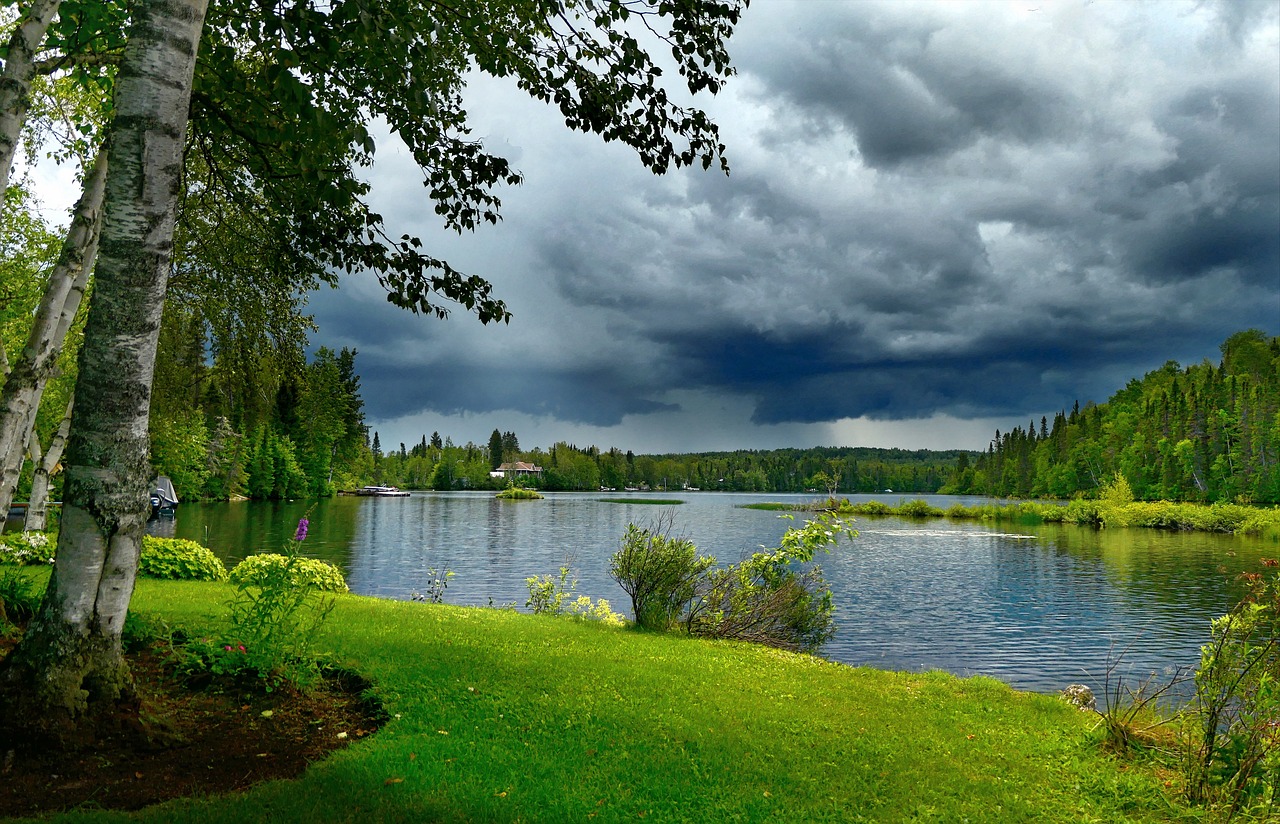
Navigating the Insurance Claim Process Post-Storm
After a severe weather event, storm damage tree removal is often at the forefront of homeowners' minds. While removing fallen trees from property is an immediate priority, understanding the insurance claim process is crucial for a smooth recovery. This involves assessing tree health after weather events, which can range from hurricanes to ice storms, to ensure safety and accurate documentation.
The first step in the insurance claim process is to contact your homeowners' insurance provider and report the storm damage. Many companies offer 24/7 tree service hotlines or online claim filing, making the process more accessible. Some insurers provide immediate temporary coverage for emergency tree cleanup and disposal following weather events, offering peace of mind while you await a full assessment. During this initial contact, it's essential to document the extent of the storm damage, including photos of fallen trees and branches, to support your claim.
Once the initial report is made, an insurance adjuster will likely visit your property to assess the damage. This professional will evaluate the condition of your trees and determine the cost of removing fallen trees and repairing storm-damaged foliage. A tree branch removal after hurricane could be a significant claim, especially if it poses a safety risk or caused substantial property damage. Certified Arborists Association recommends engaging a local arborist consultant for a detailed post-storm tree damage assessment, ensuring your claim is accurately represented. When filing a claim, remember to include details about any necessary tree damage repair estimates and the potential long-term environmental impact, aligning with your responsibilities as a homeowner and community member.
Finding us at insuring tree removal for homeowners, we offer expertise in navigating these processes. Our team understands the importance of quick response times and accurate documentation, ensuring your storm damage tree removal claims are handled efficiently. By combining professional tree services with a deep understanding of insurance regulations, we help restore your landscape after storm damage while ensuring a seamless claim experience.
Preventing Future Storm Damage: A Proactive Approach

Preventing future storm damage requires a proactive approach that goes beyond mere cleanup and recovery. After each storm event, a thorough post-storm tree damage assessment is crucial. This involves not only inspecting the damage but also understanding the vulnerabilities of your property to future storms. Certified arborists can play a key role here, providing expert insights into tree health and safety. They can identify trees at risk of falling or dropping branches during heavy winds, allowing for preemptive measures like pruning or removal.
Weather-safe tree pruning practices are essential in preparing for the next weather event. This includes selective cutting to remove dead or weak branches and thinning the crown to reduce wind resistance. It's also vital to avoid over-pruning, as this can weaken trees and make them more susceptible to storm damage. Regular maintenance, such as fertilizing and watering, can also bolster tree health, making them more resilient against storms. The USDA Forest Service recommends a balanced approach that considers both aesthetics and structural integrity.
One effective strategy is to implement weather-related tree service calls as part of your property maintenance plan. Regularly scheduling assessments and maintenance with local tree service professionals can help identify and mitigate potential risks. A tree removal company specializing in storm damage can provide proactive solutions. They can remove or trim trees near power lines, a common safety concern after storms, using equipment designed for minimal impact. By adopting a proactive approach, property owners can significantly reduce the likelihood and impact of future storm damage, ensuring their landscapes and communities are better prepared. Visit us at tree removal companies during storms anytime for expert advice and assistance.
Frequently Asked Questions About Documenting Storm Damage Claims and Insurance Processes
What is the first step after experiencing storm damage to trees?
The initial step is to assess the damage and prioritize safety. If there are fallen trees or branches blocking passageways, clear them immediately. Document the damage with photos and videos, noting the extent of the damage and any structural hazards. Contact a professional arborist or tree removal service for a thorough assessment. This initial documentation is crucial for insurance claims, as it provides a clear record of the storm's impact.
How do I know if a tree needs to be removed after a storm?
Safety is paramount. Also, consider removal if the tree is close to power lines or other structures, as it poses a risk of further damage or injury. Always consult a certified arborist for expert advice.
What should I do if a tree is blocking my power lines?
In cases where a tree is blocking power lines, contact your local utility company immediately. They have trained professionals who can safely remove the tree to restore power. Do not attempt to remove a tree near power lines yourself, as it's extremely dangerous and may lead to electrocution or severe injury.
How do I estimate the cost of storm damage tree removal?
The cost varies based on several factors, including the size and type of tree, the extent of damage, location, and access to the site. Request quotes from multiple reputable tree removal companies for accurate estimates. They will assess the situation and provide a breakdown of costs for removal, cleanup, and any necessary disposal. Compare their assessments and choose a company with positive reviews.
What is the best way to file an insurance claim for storm-damaged trees?
First, review your homeowner's or property insurance policy to understand your coverage for tree damage. Gather all necessary documentation, including photos, videos, and assessments from arborists or tree removal companies. Contact your insurance provider and file a claim, providing them with the details and supporting documents. Be prepared to discuss the damage and cooperate with the claims adjuster.
How can I prevent future tree storm damage?
Regular tree care, including proper pruning and planting suitable species for your climate, can significantly reduce the risk of storm damage. Prune trees to remove weak or dead branches and maintain a healthy tree structure. During severe weather, consider securing potted plants and small trees to prevent them from becoming airborne projectiles.
Navigating storm damage tree removal and insurance claims requires a multifaceted approach. Understanding your insurance coverage, documenting storm damage effectively, and adhering to safe removal practices are crucial steps in the immediate aftermath of a severe weather event. By leveraging the expertise of certified arborists, tree risk assessors, and local arborist consultants, homeowners and property managers can ensure accurate claims processing and timely storm cleanup.
Practical next steps include proactively reviewing and updating your homeowners' insurance policy, familiarizing yourself with local tree removal regulations, and investing in storm-resistant tree species and proper planting techniques to prevent future damage. Staying informed about environmental considerations, such as recycling options for storm-damaged trees, and engaging with community-based initiatives can foster long-term resilience.
By integrating these key learnings and proactive measures, individuals and communities can better prepare for, respond to, and recover from storm damage, ensuring safer, more sustainable landscapes for years to come.
Understanding and navigating insurance claims for storm-damaged trees involves several steps:
1. Documentation: Immediately take photos of storm damage, including fallen trees and branches, and keep records of communication with your insurer. This is crucial for appeals and explaining damage to tree removal services.
2. Policy Review: Check your insurance policy for specific tree removal coverage. Some policies cover tree damage from storms, while others may not. Consult professionals if your policy lacks coverage or if trees are near power lines.
3. Professional Assessment: Hire experts for tree damage assessment and guidance through the claims process. They can ensure proper coverage for removal and associated repairs, and provide insights into future tree damage prevention.
4. Post-Storm Cleanup: Prioritize safe and prompt cleanup, especially for trees blocking access or utilities. Consider emergency tree removal services.
5. Long-Term Resilience: Implement weather-safe tree pruning practices, regular maintenance, and proactive assessments to reduce future storm damage risk. Partner with local arborist consultants for strategic planning.