
Storms and their aftermath can leave a trail of destruction, especially for our urban forests. Storm damage tree removal is a critical service that not only clears debris but also plays a pivotal role in the long-term health and resilience of our communities. When trees are impacted by severe weather, they require expert care to assess and address structural integrity issues. Understanding the intricacies of tree recovery post-storm is essential for homeowners, property managers, and local governments alike. This article examines the practical guide to navigating the challenges of storm-damaged trees, offering insights into safe removal practices, environmental considerations, and fostering the resilience of our urban forests for the future.
- Assessing Long-Term Tree Health After Storms
- Safe, Efficient Storm Damage Tree Removal
- Nurturing Trees for Resilient Post-Storm Growth
Assessing Long-Term Tree Health After Storms
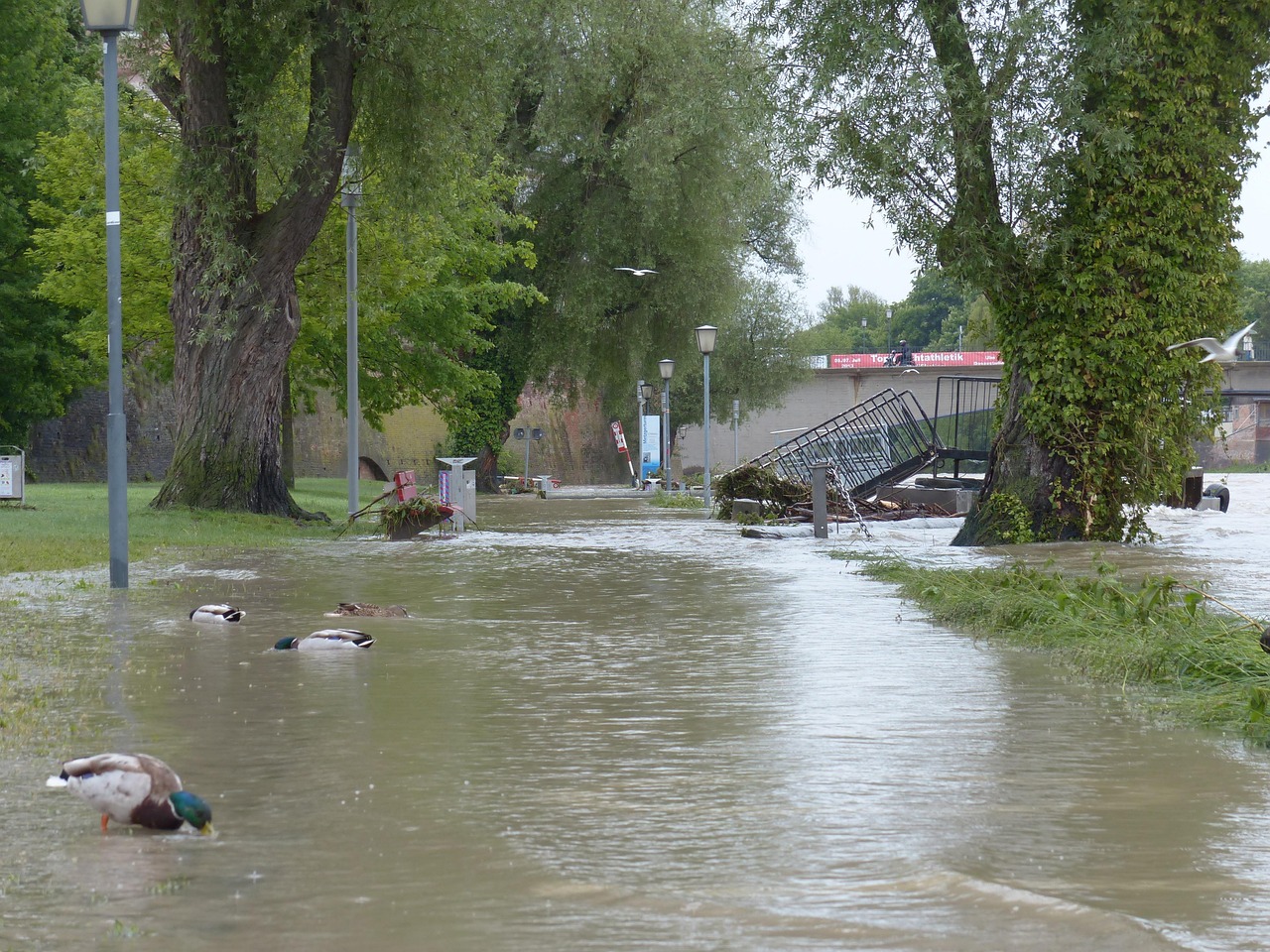
Evaluating a tree's health after a storm is crucial for ensuring its longevity and the safety of your property. Storms, especially those with high winds and heavy debris, can cause significant damage to trees. After the immediate crisis, a thorough assessment is needed to determine if a tree can recover or if safe removal is the best course of action. This process involves more than just visual inspection; it requires a holistic understanding of the tree's condition and its future prospects.
A tree that has survived an ice storm may exhibit visible damage, such as broken branches and cracked bark. However, its overall health could still be good if the damage is localized and the tree's vital functions remain intact. In contrast, a tree that has withstood a hurricane may appear relatively intact but be internally compromised, making it vulnerable to disease and further decline. The key is to look beyond the surface and consider factors like root stability, crown integrity, and overall vigor.
Tree risk assessors, often certified arborists, play a vital role in these evaluations. They employ specialized software and industry best practices to analyze a tree's condition and predict its future health. This assessment guides decisions about storm damage tree removal or implementing necessary tree care practices to promote resilience. After a severe weather event, it's essential to consult with a local arborist consultant who understands the specific challenges posed by your region's climate and environmental conditions. They can provide expert insights tailored to your situation, ensuring your trees receive the care they need to thrive after a storm.
When considering the long-term health of your trees, remember that proper tree removal and disposal, along with responsible landscape restoration, are critical. Removing fallen trees and branches promptly not only enhances safety but also prevents the spread of diseases and pests. Restoring the landscape after storm damage can include planting native tree species that are more resilient to local weather patterns, ensuring your property's greenery not only survives but flourishes in the face of future storms. Give us a call at storm damaged trees service anytime for expert guidance tailored to your specific needs.
Safe, Efficient Storm Damage Tree Removal

After a severe storm, the first instinct is often to remove the damaged trees. However, hasty decisions can lead to unnecessary costs and potential safety risks. Safe, efficient storm damage tree removal requires a nuanced understanding of tree health, local regulations, and environmental impact.
Certified arborists recommend a thorough assessment before any cutting. This involves evaluating the tree's structural integrity and determining if it can be safely saved. In many cases, proper pruning can strengthen trees and reduce the risk of future damage. Removing dead or diseased branches can prevent the spread of pathogens, enhancing overall tree health. Weather-safe tree pruning practices involve selective cutting to minimize stress and promote healing. Local tree services specializing in severe weather are best equipped to handle these complex situations, offering expertise in navigating local regulations and environmental considerations.
When a tree poses an immediate threat, professional removal is crucial for safety. However, it's important to consider the long-term impact on your landscape and local ecosystem. Responsible removal can include recycling debris and utilizing wood for fuel or construction, reducing waste and environmental impact. For homeowners, involving a local tree service in the aftermath of a storm provides not only expertise but also peace of mind. They can offer guidance on tree care, budgeting for maintenance, and even connect you with insurance claims processes. Remember, when faced with storm damage, professional, informed, and safe tree removal practices contribute to a resilient, healthy environment. Give us a call at storm debris removal from yards to discuss the best course of action for your property.
Nurturing Trees for Resilient Post-Storm Growth
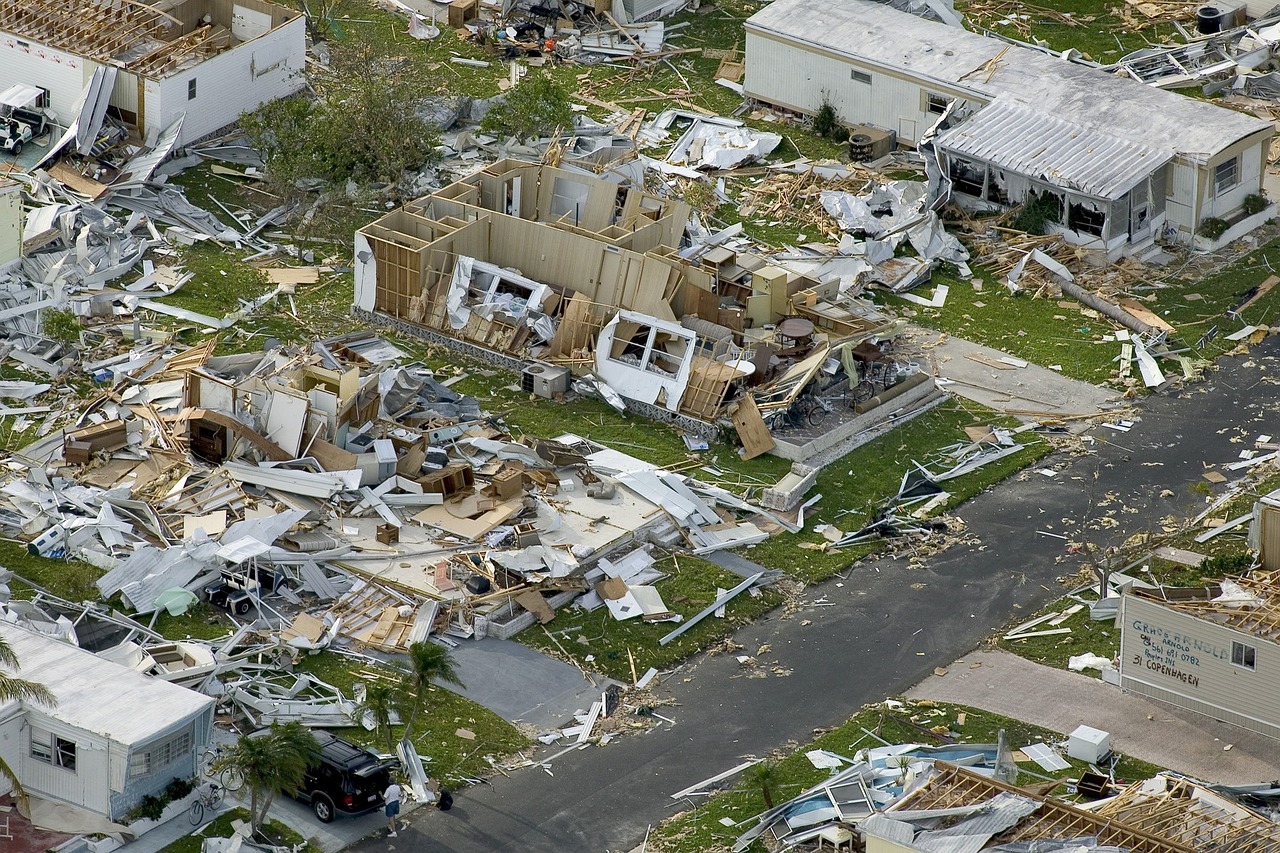
After a storm, many homeowners worry about the health of their trees. While some trees may require removal due to severe damage from heavy winds, nurturing the surviving trees can help them thrive and become more resilient. This process, known as post-storm tree care, involves a series of steps designed to stabilize and support the tree's recovery.
One of the first steps after a storm is to assess the damage. If a tree has been knocked over or its branches are significantly damaged, it may be beyond repair. However, if the tree is still standing but heavily damaged, professional tree services can provide the necessary assistance. Certified arborists can evaluate the tree's stability and recommend the best course of action, which may include pruning, bracing, or supporting the tree until it can heal. Repairing storm knocked over trees requires specialized equipment and expertise to safely remove the debris and prevent further damage.
Once the immediate danger has passed, proper tree care becomes crucial. This includes providing adequate water, applying mulch to conserve moisture, and ensuring the tree is receiving the right nutrients. Regular monitoring for pest or disease issues is also essential. Many arborist consultants offer services tailored to post-storm recovery, providing guidance on how to care for damaged trees and helping property owners make informed decisions. Find us at repairing storm knocked over trees to learn about specialized services that can aid in the recovery process. The goal is to promote long-term tree health and make your landscape more resilient to future storms. By implementing these practices, you can nurture your trees through the recovery process and ensure they grow stronger and more stable.
Frequently Asked Questions About Expert Insights Long-Term Tree Health After Stormy Weather
What are the immediate signs of a tree's damage after a storm?
After a storm, trees may exhibit several immediate signs of damage. These include broken branches, snapped limbs, uprooting, or significant leaning. Some trees might also show internal damage, such as cracks in the trunk or major limbs, or signs of decay. It's crucial to assess these signs to determine the tree's stability and potential risk to nearby structures or people.
How do I know if a tree needs to be removed after a storm?
If a tree is severely damaged, particularly if it has lost more than half of its branches or is leaning precariously, removal might be necessary. A professional arborist can assess the tree's condition and provide expert advice. They'll consider factors like the tree's species, size, location, and the extent of the damage to help you make an informed decision.
Can trees recover from storm damage?
Many trees can recover from storm damage if the injury is not severe. Young trees are generally more resilient than older ones. Proper care, including adequate water, sunlight, and nutrients, can aid in recovery. However, severe damage, such as deep cracks or root injuries, might render the tree vulnerable to disease and death, requiring professional tree care services.
How do I prevent trees from getting damaged during storms?
While you can't control the weather, certain practices can reduce the risk of tree damage during storms. Regular pruning to remove weak or dead branches can enhance a tree's structural integrity. Planting trees away from power lines and structures can minimize the impact of falling branches. In high-wind areas, planting windbreaks or using tree ties for young trees can offer protection.
What should I do with fallen tree debris after a storm?
After a storm, clearing and removing fallen tree debris is essential for safety and property protection. Debris can include branches, limbs, and even entire trees. It's recommended to remove smaller debris by hand or with a rake. For larger material, a tree service or local waste management facility may offer collection services. Proper disposal ensures the prevention of potential hazards and the preservation of a healthy environment.
After facing the destructive power of storms, the focus shifts to long-term tree health and the recovery process. Expert insights reveal that assessing trees' resilience is crucial following severe weather events. Safe and efficient storm damage tree removal, guided by certified arborists, minimizes further harm and ensures public safety. Nurturing these trees post-storm is vital for their growth and the overall ecosystem. By employing proper care, including pruning and fertilization, trees can regain their strength and become more resilient to future storms. This proactive approach not only benefits individual properties but also contributes to the overall health of urban and natural landscapes. Understanding these key insights empowers homeowners and property managers to make informed decisions, fostering a more sustainable and resilient environment.
After storms, evaluating tree health is crucial. While some trees may need removal, many can recover with proper care. Certified arborists assess damage, recommend actions like pruning or bracing, and provide long-term tree care guidance. For severe cases, professional storm damage tree removal is essential for safety and to prevent further damage. After removal, responsible disposal and landscape restoration practices contribute to a resilient, healthy environment. For expert advice, consult local arborist services tailored to your region's climate and conditions.